
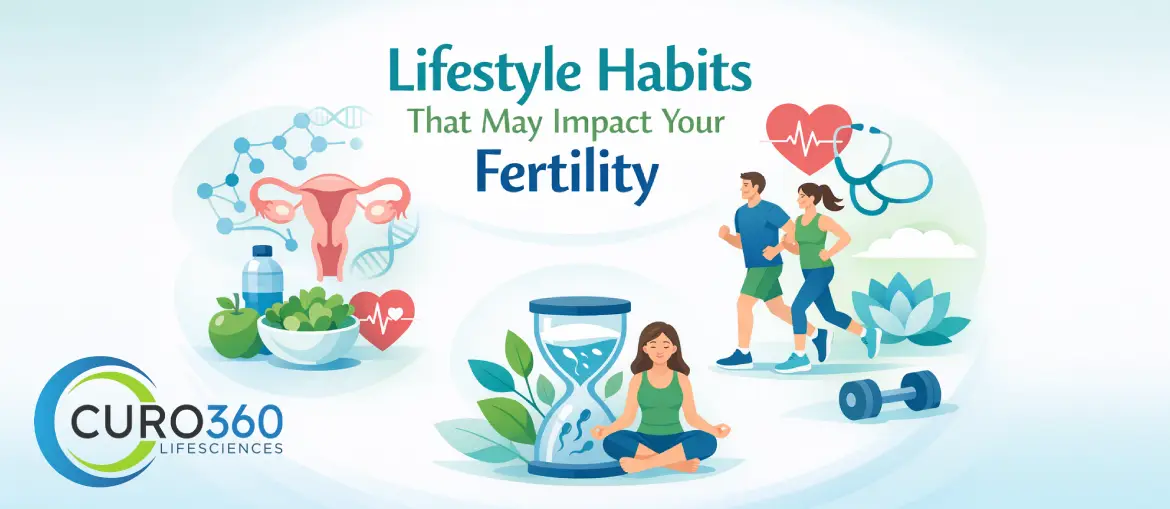
Fertility is not a mere biological issue; it also depicts how well you are and how you live. Although medical conditions may always have an impact on fertility, the number of cases attributed to alterable lifestyle factors is quite startling. Among those who are in the midst of conception or preparing to conceive, the knowledge of how your everyday habits affect fertility can guide your decision-making to give yourself a higher chance of getting pregnant.
1. Diet and Nutrition: Fuel for Fertility
High levels of processed food, high levels of refined sugar, and unhealthy fats can cause disturbance in hormonal balance, affect ovulation, and lower the quality of the sperm. Conversely, fruits, vegetables, whole grains, nuts, and seeds, and lean protein are nutrient-dense and supportive of optimal fertility.
A Mediterranean-diet pattern high in healthy fats and plant food sources has been shown to promote fertility in both men and women.
2. Weight and Fertility Connection
One of the greatest determinants of fertility is body weight. Underweight conditions may result in abnormal or absent ovulation, whereas overweight conditions may impair hormone production and influence menstrual periods.
The studies demonstrate that a 5-10 percent decrease in body weight can reestablish normal ovulation among women and enhance the sperm parameters in men. By being conscious of eating habits and physically active, it can be demonstrated that having a healthy and balanced weight can significantly increase fertility.
3. Exercise: Finding the Right Balance
Exercise is energizing and good for overall health, but when fertility is being considered, quality, not quantity, is what matters. Moderate amounts of exercise (brisk walking, yoga, cycling, etc.) can be employed to balance hormones and bring blood flow to the reproductive organs.
Excessive exercising also results in the depletion of estrogen in women, which results in irregular cycles or even temporary amenorrhea (absence of menstruation). It is desired to remain active without overworking the body- 30 minutes of moderate exercise on most days of the week is the most suitable.
4. Stress and Emotional Well-being
Stress hormones such as cortisol may disrupt the reproductive hormones, ovulation, and decrease the quality of sperm at high levels. The other consequence of stress is poor lifestyle choices, such as undereating or overeating, sleep deprivation, or smoking, all of which are detrimental to fertility.
Along with meditation, mindfulness, deep breathing, or other hobbies, the addition of relaxation exercises can make a big difference. Most couples discover yoga, nature walks, or journaling helpful in their fertility process.
5. Smoking and Alcohol Consumption
The most detrimental habits for the fertility of men and women are smoking. Smoking in men decreases sperm count, motility, and morphology (shape), which affects the quality of sperm in general.
Long-term alcoholism can alter the hormonal balance, decrease ovarian activity, and decrease testosterone. Although a few drinks of wine are usually safe enough, one should avoid or have fewer drinks of alcohol during pregnancy.
6. Sleep and Fertility
Sleep is also essential in the regulation of hormones, including those involved in reproduction. Disrupted sleep or chronic sleep deprivation can disrupt ovulation, lower testosterone, and reduce libido. Sleep can be improved (thereby improving fertility) with routines such as having a consistent bedtime schedule, limiting screen time before bed, and making sure the sleep environment is dark and cool.
7. Environmental and Chemical Exposure
The reproductive health could be damaged by the exposure to chemicals that we are subjected to in modern life. Certain personal care products, plastics that contain BPA, and pesticides may be endocrine disruptors that interfere with hormone functions. To reduce exposure to these harmful chemicals, you can buy organic products and natural personal care products, and opt for glass or stainless steel containers instead of plastic.
Making Positive Lifestyle Changes
Start with easy, routine things, eat more whole foods, manage stress, get some exercise, and sleep. It is important to keep in mind that both partners are equally responsible for reproductive health, and these are lifestyles to be shared, he added.
Through gaining control over the decisions made daily, you can make your conception environment healthier and increase the likelihood of giving birth or naturally growing your own family.